France consistently ranks as one of the world’s top retirement destinations, offering exceptional culture, safety, world-class healthcare, and quality of life. But for many Americans considering a move abroad, one question stands out: Where can I enjoy an authentic French lifestyle while still connecting with an English-speaking community?
Here are the top regions where American retirees thrive socially, along with practical insights for making your French retirement dream a reality.
Paris: France's Premier English-Speaking Retirement Destination
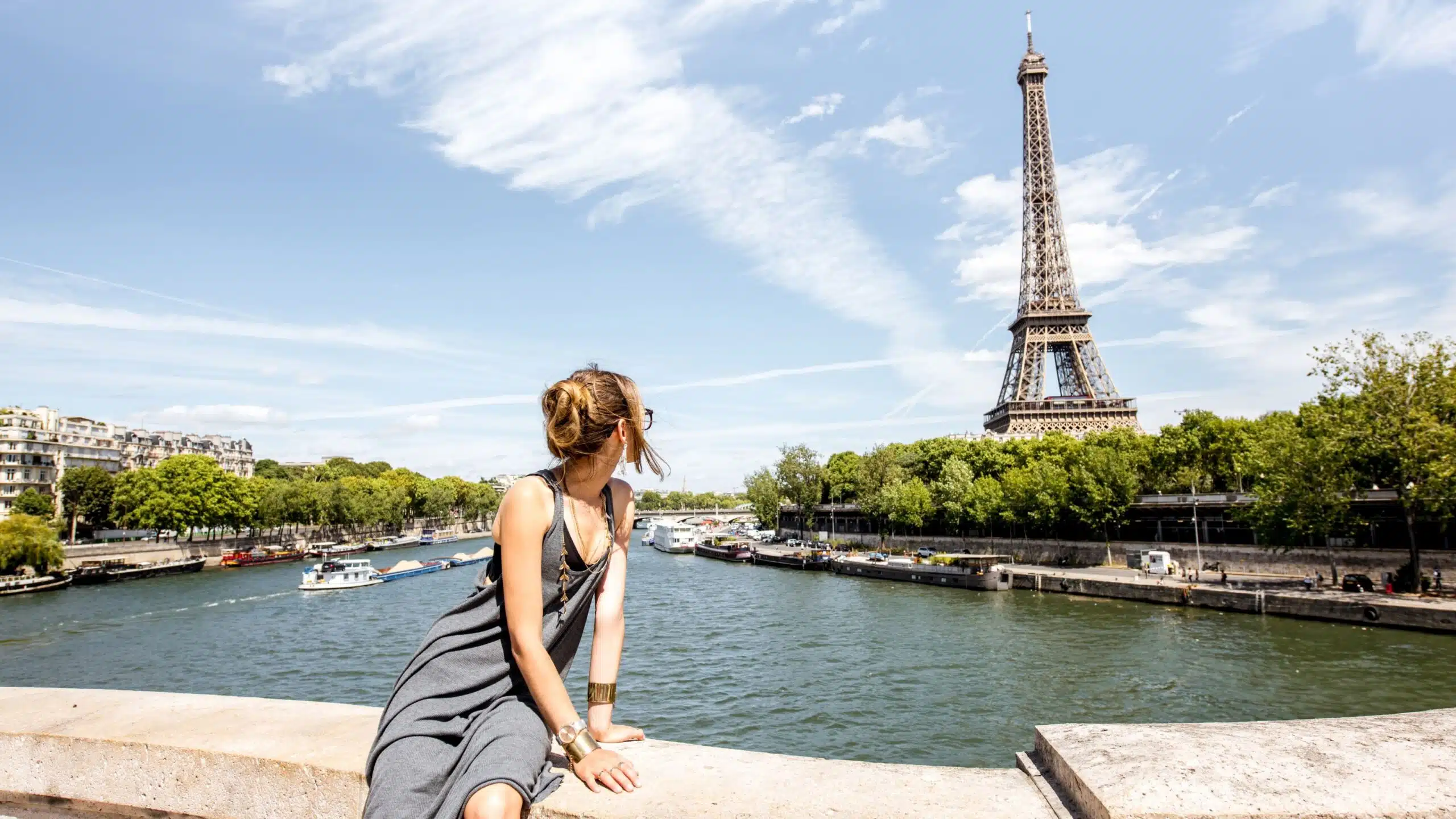
Paris boasts the largest and most established English-speaking expat community in France, making it the easiest place for retirees to build a social network. From anglophone book clubs and wine groups to art classes, charities, and expat meetups, you can forge meaningful friendships in English while immersing yourself in Parisian culture.
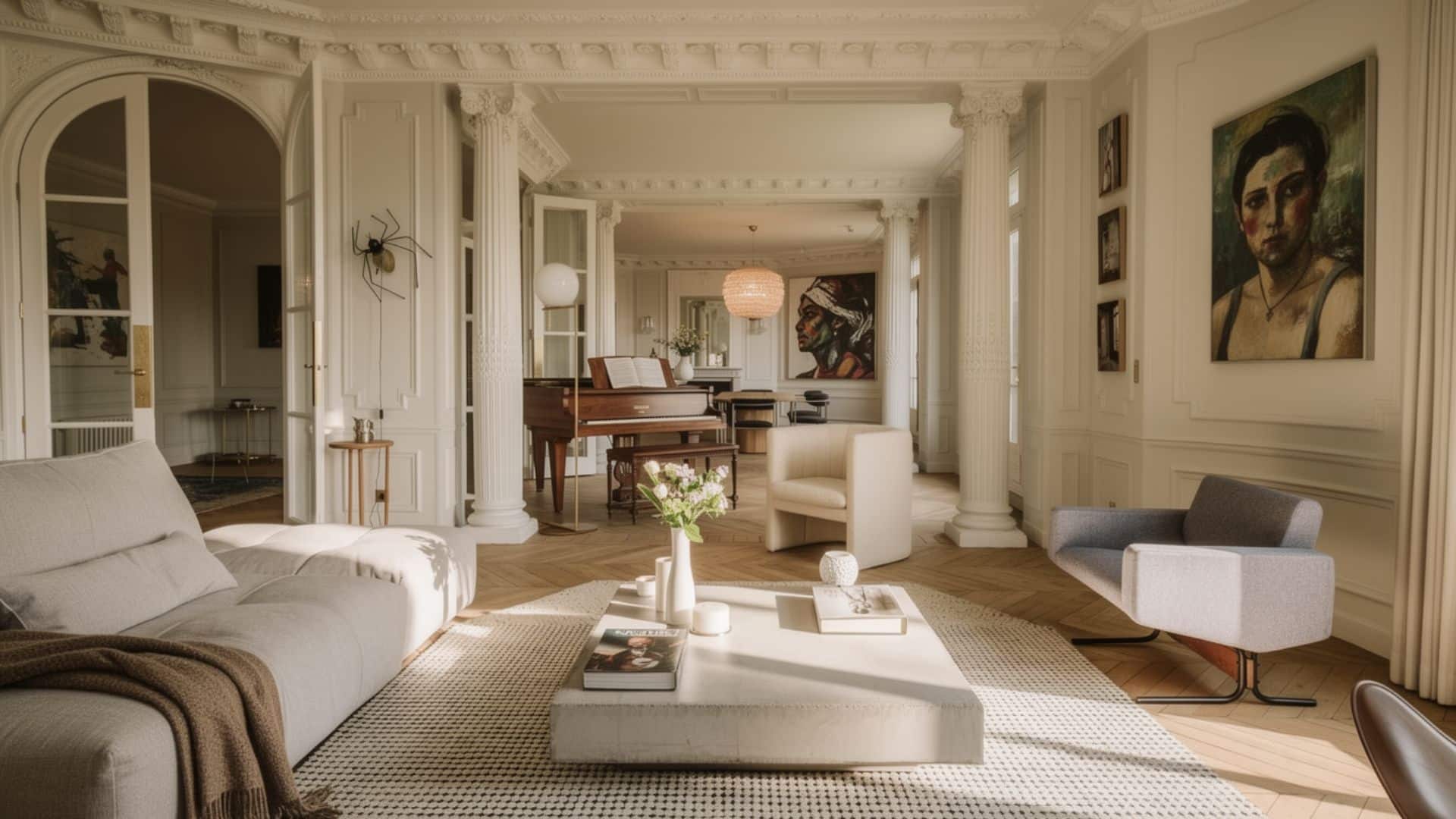
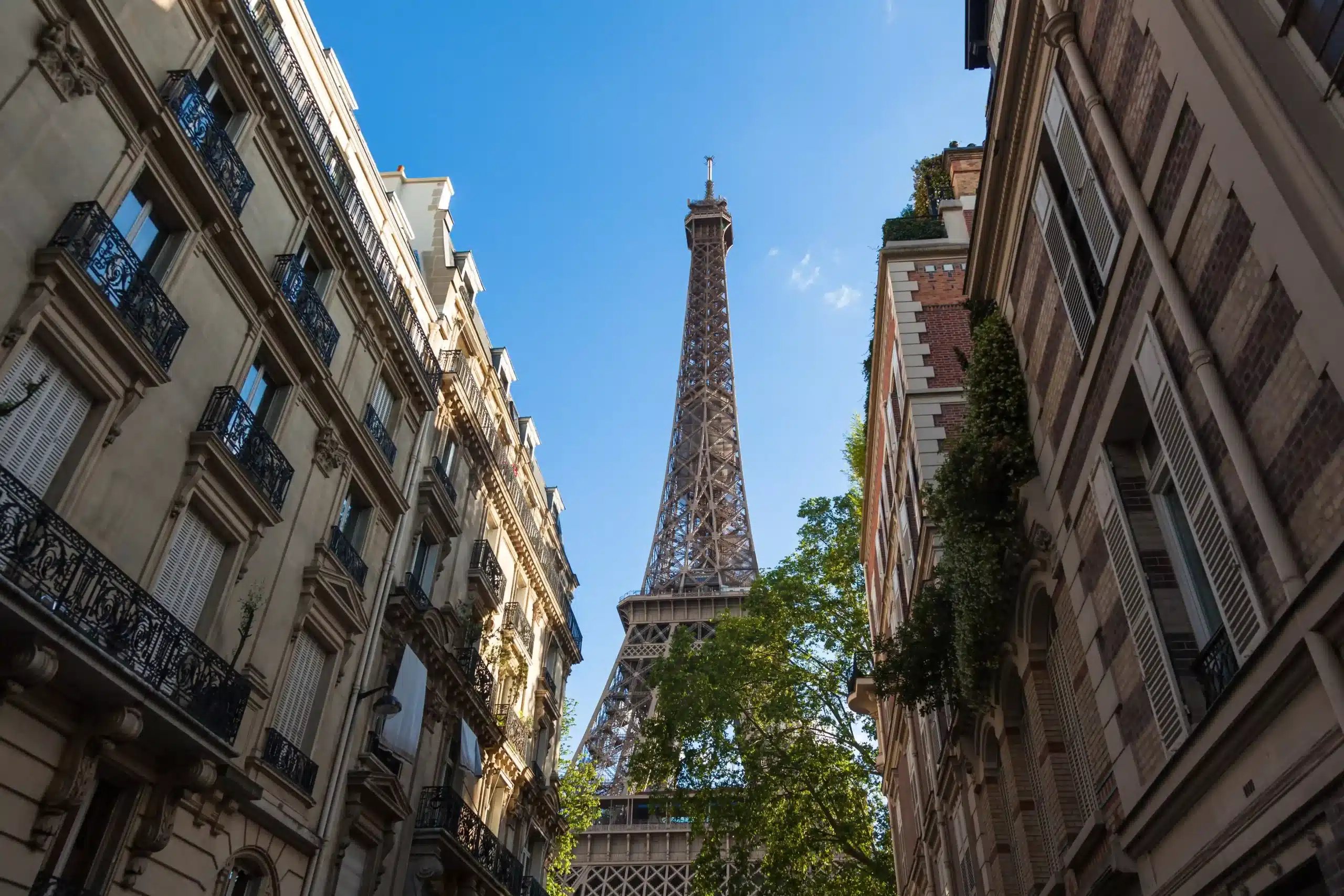
Top neighborhoods for retirees include the 6th Arrondissement (Saint-Germain-des-Prés), walkable, cultural, and elegant. This Left Bank neighborhood is a favorite among American buyers who appreciate its literary history and café culture. The 7th Arrondissement (Eiffel Tower/Invalides) offers iconic yet peaceful living, home to many diplomats and anglophone families, with tree-lined streets and proximity to museums. The 16th Arrondissement (Passy & Auteuil) appeals to retirees seeking a refined, quiet, and safe environment with abundant parks, excellent access to healthcare, and quality shopping.
Provence: Sun-Soaked Culture in Aix-en-Provence
For those seeking warmth and a more relaxed pace, Provence—particularly Aix-en-Provence—has earned its reputation as one of the most American-friendly towns in France. This university city combines old-world charm with cosmopolitan energy, drawing retirees who want the best of both worlds.
The region attracts expats with its thriving English-speaking population, mild Mediterranean climate year-round, and rich arts scene featuring markets, festivals, and outdoor concerts. The walkable historic center provides excellent healthcare access, while nearby Avignon offers similar appeal with slightly lower costs. The combination makes this region ideal for culture-loving retirees who crave sunshine and social opportunities.
Dordogne: Idyllic Countryside Living with Community
The Dordogne Valley (Périgord Noir) has long served as the heartland for English-speaking expatriates in rural France. If your retirement vision includes stone farmhouses, weekly markets, and a slower rhythm of life, this region delivers—without the isolation that can come with countryside living.
Well-established English-speaking communities populate postcard-perfect medieval villages throughout the valley. Affordable real estate compared to coastal regions combines with an outdoor lifestyle centered on hiking, cycling, and river activities. The Dordogne strikes a perfect balance for Americans who want authentic French village life while maintaining easy access to English-speaking friends and services.
Nice & the Côte d'Azur: Mediterranean Glamour Meets Accessibility
The French Riviera—particularly Nice, Antibes, and Villefranche-sur-Mer—attracts retirees seeking sunshine, international sophistication, and excellent infrastructure. Nice’s international airport offers direct connections to major U.S. cities, making it easier to stay connected with family back home.
Year-round mild weather with over 300 days of sunshine sets the stage for an enviable lifestyle. Active English-speaking clubs and social networks flourish here, complemented by walkable waterfront promenades, bustling markets, and world-class dining and cultural events. While property prices run higher than inland regions, many retirees find the lifestyle and accessibility worth the premium.
Brittany: Affordable Charm on the Celtic Coast
Brittany often surprises Americans with its large English-speaking population and welcoming atmosphere. Historic towns like Dinan, Vannes, and Quimper offer coastal beauty, Celtic heritage, and notably lower costs of living than southern France.
The region attracts a diverse mix of American, British, and Irish retirees who appreciate Brittany’s authentic character, fresh seafood, and friendly locals. While the weather is cooler and rainier than the south, many find the dramatic coastlines and affordable real estate an excellent trade-off.
Other Places to Consider If you want to move to france
While Paris, Provence, and the Côte d’Azur dominate retirement conversations, several emerging destinations deserve attention from American retirees exploring their French options.
Annecy : The Alpine Retreat
sits at the edge of pristine Alpine lakes, offering stunning mountain views and outdoor activities year-round. This charming town appeals to active retirees who love skiing, hiking, and water sports, though winter temperatures drop significantly and property prices rival those of Nice.
Bordeaux: The Wine Capital
has transformed into one of France’s most dynamic cities, combining world-renowned wine culture with elegant 18th-century architecture. The city attracts sophisticated retirees who appreciate fine dining and cultural events, with direct flights to North America and costs lower than Paris.
Lyon: The Gastronomic Hub
ranks as France’s gastronomic capital and offers metropolitan amenities at lower costs than Paris. Healthcare facilities rank among France’s finest, with a growing international business community creating English-speaking networks.
Strasbourg: The European Crossroads
brings a unique Franco-German cultural blend near the German border, with the European Parliament headquarters creating a genuinely international atmosphere. The historic center features half-timbered houses and canal-side streets, with direct trains to Paris in under two hours.
Montpellier: The Mediterranean Gem
blends youthful university energy with southern French charm just miles from Mediterranean beaches. This fast-growing city offers modern infrastructure including an excellent tram system, vibrant cultural scenes with festivals year-round, and significantly lower costs than Nice while maintaining the same sunny climate and beach access.
Toulouse: The Pink City
if you like small towns, Toulouse combines aerospace industry sophistication with authentic southwestern French character, offering cosmopolitan energy without tourist crowds. This vibrant city features striking pink terracotta architecture, excellent public transportation, and significantly lower living costs than Paris or the Riviera, while its international Airbus community creates established English-speaking networks.
Choosing Your Ideal Region: A Decision Guide
| Your Priority | Recommended Regions | Why |
|---|---|---|
| Maximum social connection & English-speaking community | Paris (best), Nice, Provence | Paris offers the largest expat networks spanning every interest. Nice and Provence provide strong communities with more sun. |
| Cultural immersion & world-class arts | Paris (best), Provence, Nice | Paris delivers unmatched museum density, theater, and concerts. Provence excels in festivals and markets. |
| Year-round sunshine & warm weather | Nice (best), Provence | Mediterranean climate with 300+ sunny days. Paris offers cultural compensation for four-season weather. |
| Budget-conscious retirement | Dordogne (best), Brittany, Provence | Countryside regions offer the lowest costs. Paris delivers value through services, healthcare, and convenience despite higher prices. |
| Easy family visits from the U.S. | Paris (best), Nice | Both offer international airports with direct U.S. flights. Paris provides the most frequent connections. |
| Comprehensive healthcare access | Paris (best), Nice, Provence | Paris features English-speaking specialists and the American Hospital. All regions access France’s excellent universal system. |
| Beach & waterfront lifestyle | Nice (best), Brittany | Nice offers Mediterranean glamour and infrastructure. Brittany provides dramatic coastlines at lower costs. Paris remains a short train ride to Normandy beaches. |
| Authentic French village life | Dordogne (best), Provence, Brittany | Dordogne delivers postcard villages with expat support. Provence balances village charm with urban access. |
| Active outdoor lifestyle | Nice, Dordogne, Brittany | All three excel in hiking, cycling, and outdoor activities. Paris offers extensive parks and easy weekend access to countryside. |
| Urban convenience & walkability | Paris (best), Nice, Provence (Aix) | Paris provides unmatched metro access and neighborhood services. Nice and Aix offer compact, walkable centers. |
| International sophistication | Paris (best), Nice | Paris attracts global culture and diversity. Nice brings Riviera cosmopolitan flair. |
| Lower tourist density | Dordogne (best), Brittany | Countryside regions offer peaceful, authentic experiences. Paris neighborhoods outside tourist zones provide local living with world-class access. |
Making Paris Your Home: How MetParis Can Help
If Paris continues to call to you as your ideal retirement destination, Metropolitan Properties Paris (MetParis) specializes in guiding international clients—particularly Americans—through the property acquisition process.
MetParis offers deep expertise in the Paris real estate market and neighborhood dynamics, with personalized property searches tailored to your lifestyle and budget. The team provides access to trusted English-speaking notaries, mortgage brokers, and renovation professionals, along with strategic advice on which arrondissements align with your retirement goals.
Complete support extends from initial search through closing, with remote options available when needed. The firm also provides guidance on long-term property appreciation, financing, and residency considerations—essential elements for a successful transition to French life.
Whether you envision a sun-filled pied-à-terre overlooking a quiet square or a classic Haussmann apartment near the Seine, MetParis helps make the journey clear, manageable, and rewarding.
Download our free guide to
buying property in Paris
Frequently Asked Questions: Retire in France
It depend of your pension. Living costs vary significantly by region. Paris typically requires €2,500-€4,000 monthly for a comfortable retirement, covering rent or mortgage, utilities, groceries, dining, and transportation. Nice and the Côte d’Azur run similarly high at €2,300-€3,500 monthly. Provence, including Aix-en-Provence, sits in the moderate range at €1,800-€2,800 monthly. Dordogne and Brittany offer the most affordable options at €1,500-€2,300 monthly, with significantly lower property prices and everyday expenses. These estimates assume a single retiree renting a one-bedroom apartment or owning a modest property. Couples can often live on 1.5 times these amounts rather than double. Healthcare costs remain consistent nationwide due to France’s universal system, with most retirees spending €100-€200 monthly on supplemental insurance once enrolled in the French system.
France operates a universal healthcare system called PUMA (Protection Universelle Maladie) that ranks among the world’s best. Once you establish legal residency and spend at least six months per year in France, you become eligible for this system, which covers 70-100% of medical costs depending on the treatment. Most also purchase complementary « mutuelle » insurance for €50-€150 monthly to cover the remaining expenses. During your first months before PUMA activates, comprehensive private international health insurance is essential and typically costs €200-€400 monthly depending on age and coverage. Doctor visits cost €25-€50, with most of that reimbursed through PUMA. Prescription medications are heavily subsidized. Paris offers the most English-speaking doctors and specialists, including the American Hospital. Major cities like Nice, Provence, Lyon, and Bordeaux have quality medical facilities with some English-speaking practitioners, while rural areas like Dordogne and Brittany provide excellent care through the universal system but fewer English-language options.
Start by visiting your target regions for extended stays to experience daily life beyond tourism. Research visa requirements early, as the long-stay visa process takes 2-4 months and requires proof of income (typically €1,500+ monthly per person), health insurance, and housing in France. Consider renting for 6-12 months before buying property to fully explore neighborhoods and ensure your chosen region fits your lifestyle. Open a French bank account, which you’ll need for paying rent, utilities, and eventually taxes. Register at your local mairie (town hall) upon arrival and begin the process of obtaining your carte de séjour (residence permit). If you plan to drive, exchange your U.S. driver’s license within your first year, as the process becomes more complicated after that. Enroll in French language classes immediately, even if settling in an English-speaking community. Connect with local expat groups and cultural associations to build your social network. Work with English-speaking professionals for legal, financial, and real estate matters, particularly regarding French tax implications and property laws that differ significantly from U.S. systems.
Join expat organizations and clubs aligned with your interests—Paris, Nice, and Provence have the most extensive networks, but English-speaking communities exist throughout France. Make efforts to connect with French neighbors and locals through classes, volunteer work, or local associations, as this enriches your experience beyond expat circles. Learn basic French greetings and polite expressions immediately, as this simple courtesy opens doors and builds goodwill even in areas with English-speaking services. Adapt to French meal times and social customs, including long lunches, late dinners, and the sacred Sunday rest day when most businesses close. Set up essential services quickly: internet, phone, utilities, and transportation passes. Understand that French culture values quality of life over convenience, meaning shorter business hours but excellent products and services. Keep realistic expectations about the adjustment period—most expat retirees report 6-12 months before feeling fully settled. Stay connected with family in the U.S. through regular video calls, and take advantage of France’s central European location for travel. Finally, remember that choosing a region with established English-speaking communities like Paris dramatically eases the transition while still providing authentic French cultural immersion.
Other articles
Why Americans are Moving to Paris for the Lifestyle
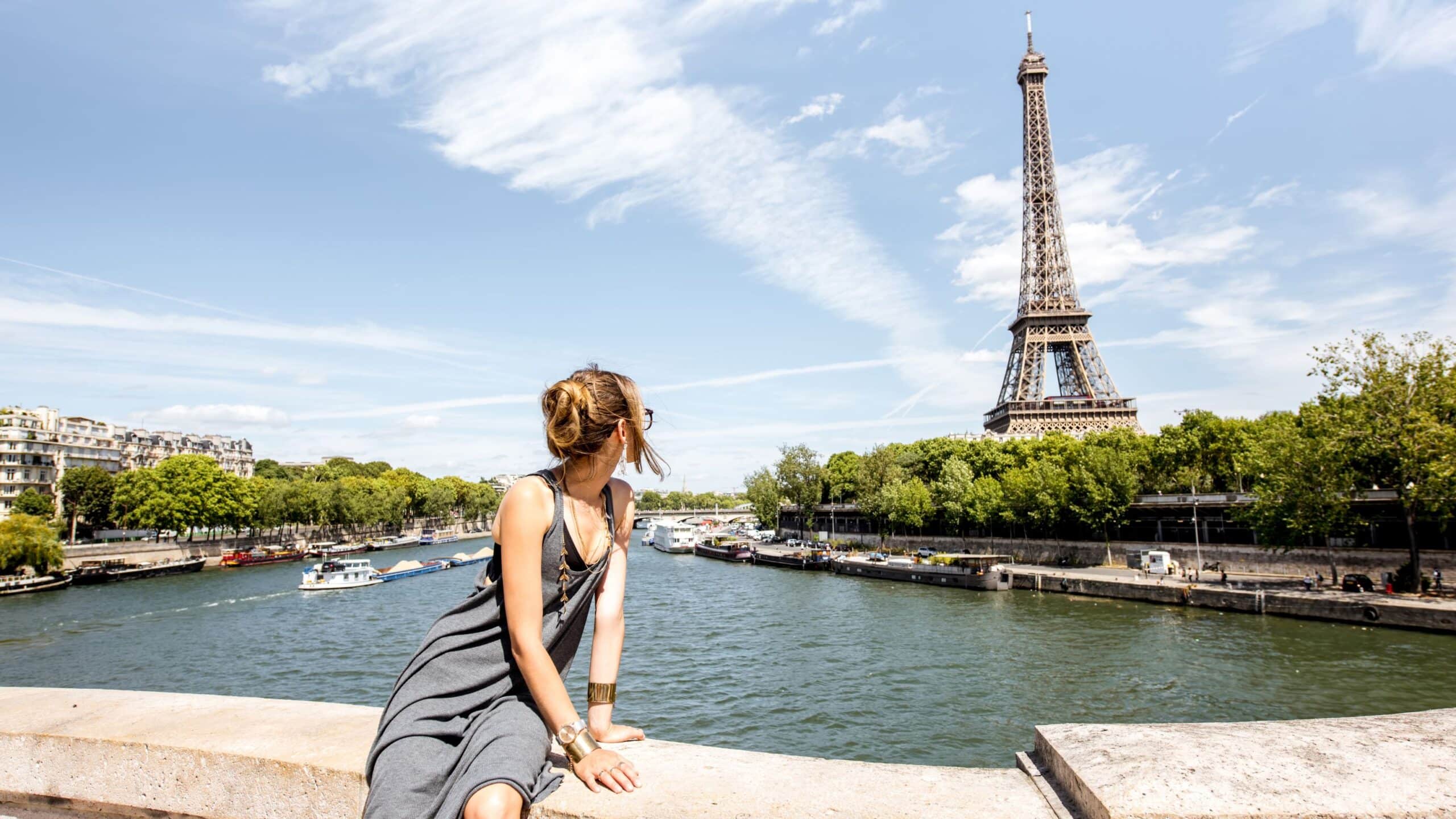
For many Americans today, moving to Paris is no longer just a romantic idea — it is a deliberate lifestyle
Beyond the City: Day Trips and Weekend Getaways from Paris
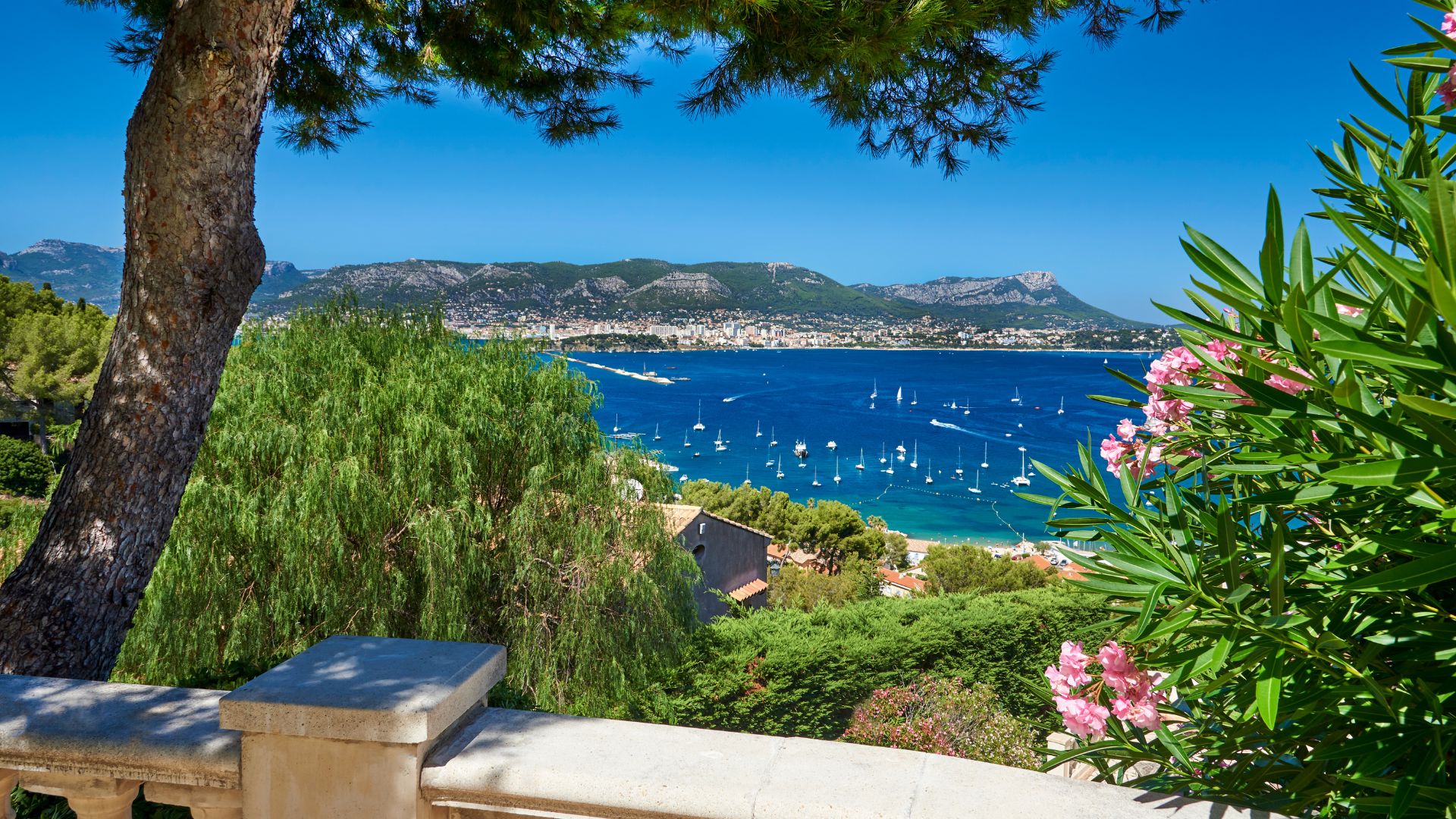
One of the greatest luxuries of living in Paris is not only what the city offers — but how easily
Why Americans Are Choosing Paris in 2026
In 2026, American demand for Paris real estate is no longer a passing headline or a reactionary trend. It reflects a deeper, more deliberate shift—one